The council’s investment plan funded new housing schemes but has also left the council with £1.2bn of debt, reports Nick Clark, Local Democracy Reporter

Barking and Dagenham Council lost more than £10million on its regeneration strategy last year, leading councillors have been told.
The council hoped to make almost £3m in income from its housing and regeneration projects between April 2025 and March 2026. Instead it spent some £7.6m more than it brought in – making it some £10.5m over budget.
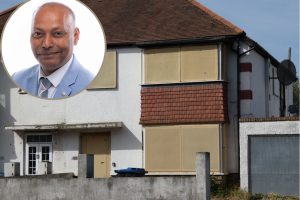
Labour councillor Rocky Gill said he would be “spending a lot of my time” looking into the council’s investments, having taken over responsibility for finance last month.
The council launched an ambitious regeneration plan to fund regeneration projects in 2016. This was through a scheme known as its Investment and Acquisition Strategy (IAS).
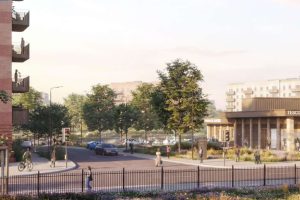
The plan funded big new housing schemes such as the redeveloped Gascoigne Estate. But it has also left the council with some £1.2bn in debt – the vast majority of the town hall’s £1.6bn debt overall.
Town hall leaders had predicted that the income from the regeneration projects would be enough to cover the costs of the borrowing and bring in extra cash for the council.
However, factors such as increased construction costs and rising interest rates mean the scheme has started to bring in less money than hoped.
Papers presented to council leaders at a cabinet committee meeting on Tuesday (16th) show the council hoped the IAS would make a surplus of £2.8m between April 2025 and March 2026.
Instead it made a loss of £7.6m – meaning the council’s IAS strategy was £10.4m over budget by the end of the financial year.
Cllr Gill told the cabinet meeting: “The whole point of IAS was to deliver an investment and regeneration of the borough, which crucially has been an important priority of the cabinet and the council.”
He added: “I will be spending a lot of my time doing due diligence to work through the whole investment vehicle.”
A financial outturn report presented to the cabinet said the loss included £4.1m on the IAS’s commercial property “due to additional direct costs and net borrowing costs”.
It said the IAS lost another £3.5m on its residential property portfolio.
Council leaders agreed in July last year to wind down the IAS, with no new borrowing planned. This followed warnings that income had started to fall behind target due to factors such as inflation and rising borrowing costs.
Speaking yesterday, Cllr Gill warned councillors that “interest rates are more likely to go up at the moment than down”, citing factors such as the recent war on Iran.