With council debts now amounting to £1.6billion the Labour administration is under pressure to explain how it will be reduced, reports Nick Clark, Local Democracy Reporter
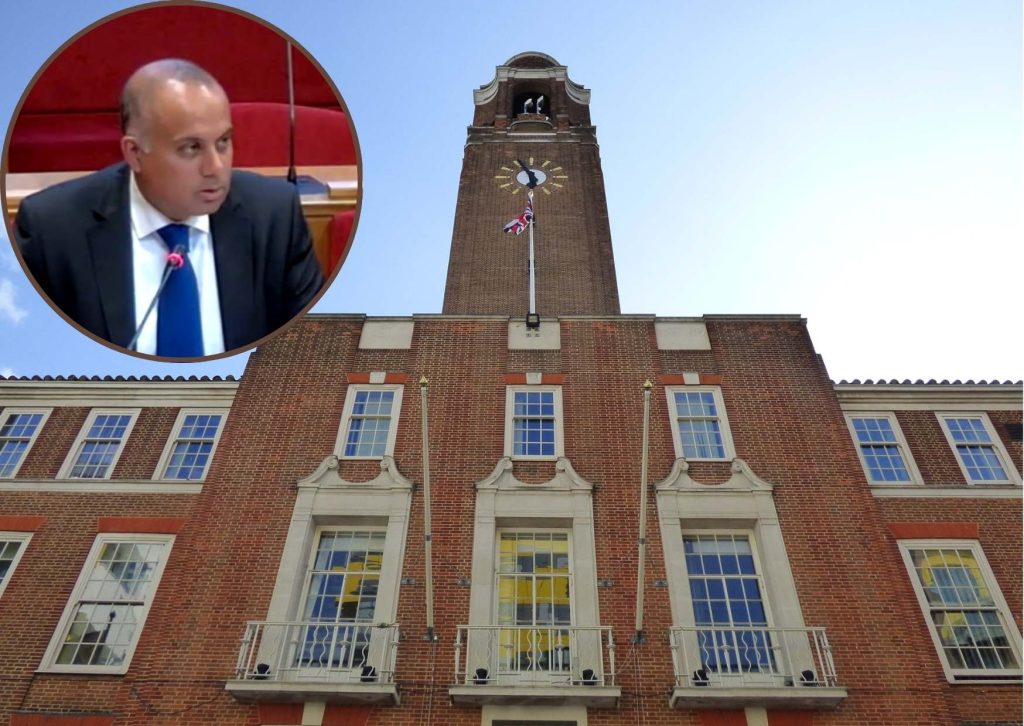
Debts of more than £1billion have left Barking and Dagenham Council paying up to £30million a year on interest payments, a senior councillor has confirmed.
The Labour-run council’s cabinet member for finance, Rocky Gill, said the interest was paid on borrowing used to pay for regeneration in the borough. However, he said the money the council makes back from its investments covers this.
Cllr Gill said interest payments of between £20m and £30m would be expected “for borrowing that’s over £1bn”. But, he added: “The income would be far greater.”
“There’s significant investments including the Travelodge in Dagenham that brings in significant income to the council,” he said.
The council’s annual treasury management report revealed that as of the end of March the council was in debt by some £1.6bn.
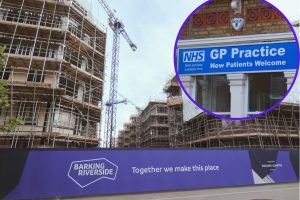
The vast majority of this was borrowed to fund major housing and regeneration projects, through what was previously called the council’s Investment and Acquisition Strategy (IAS).
Town hall leaders predicted when they launched the scheme in 2016 that the income from the new properties would be enough to cover the cost of the debt and bring in extra cash for the council.
However, international crises such as Russia’s war on Ukraine and the United States’ war on Iran have pushed up construction costs and interest rates. That means the IAS has started to bring in less money than hoped.
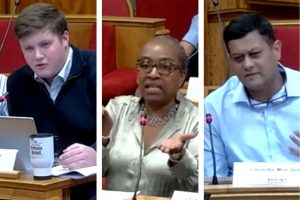
Opposition councillors questioned Cllr Gill when he presented the report to a full council meeting last Wednesday (22nd).
Reform UK’s local opposition leader, Ben Suter, asked if Cllr Gill agreed the IAS “was always completely financially unsustainable, and has failed”.
Cllr Gill replied that the point of the scheme was not only to “provide an investment return to the council and the taxpayer”, but also to fund “regeneration of many of our estates” and build “first-class homes”.
He added: “That’s something that I think we have achieved.”
Cllr Gill also said that the council had been “forced” into borrowing and property investment to bring in cash because “14 years of Tory austerity” had cut its budget “by over £100m”.
Green Party group leader Moin Quadri asked Cllr Gill if he could ensure that debt repayments would not affect funding for the council’s street cleaning, community safety or housing services.
Cllr Gill said that the council had a reserve pot of money set aside to cover any higher-than-expected costs from the IAS scheme. He said this meant interest and repayments didn’t come from the council’s main budget.
He also said that some of the properties the council had built – such as the Travelodge hotel in Cook Road, Dagenham, brought in money for the council.
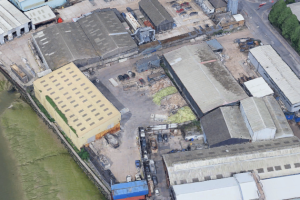
However, the Labour councillor said other commercial properties would need further work so that they could be fully let out.
Cllr Gill said the properties needed to be 80-90% occupied to “bring in the income that’s required”, which could in turn fund services such as care and street cleaning.
“This is taxpayers’ money, we need to be held accountable for it,” he said.
“We need to maximise the income from our assets. That’s what’s going to help us.”
Cllr Gill added that the council could sell some of the properties it had built if it needed to cover short-term debt repayments. He said this was something he is “giving active consideration to”.