The drop comes despite rising numbers nationally and has been credited to recent council efforts to tackle homelessness, reports Nick Clark, Local Democracy Reporter
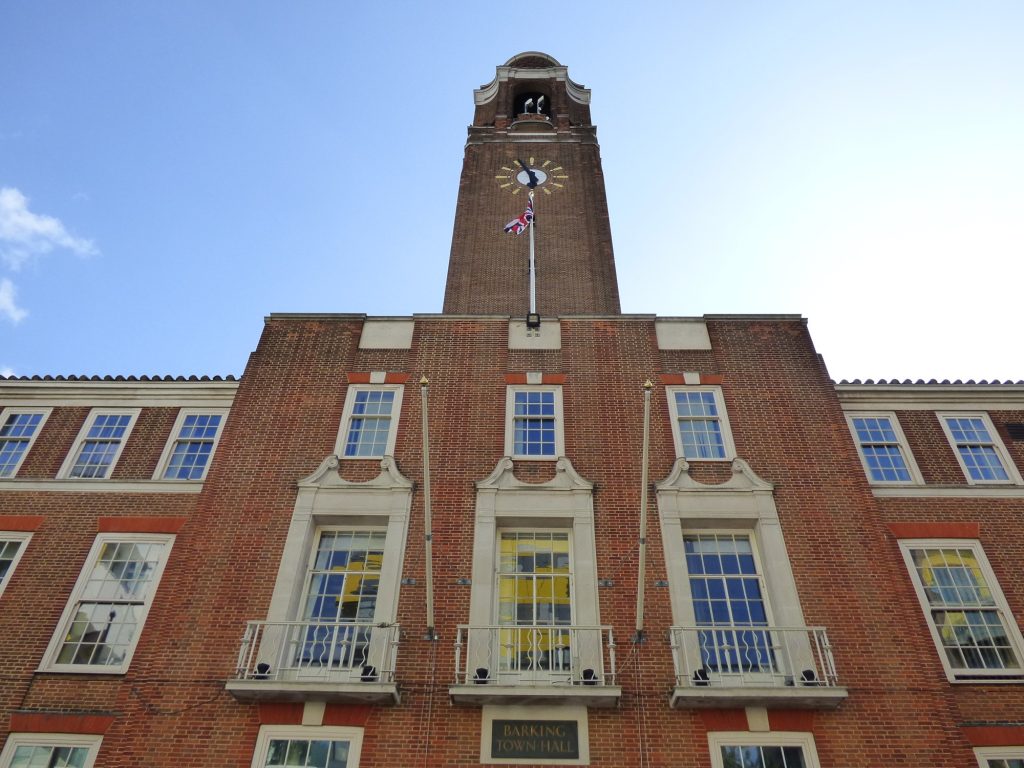
The number of homeless families living in temporary accommodation in Barking and Dagenham has fallen, despite a national increase.
The council had 1,000 households in temporary accommodation in February, councillors were told this week, which is down from 1,078 in April 2025.
It comes as the number across England rose by at least 4,000 over a similar period.
John Knight, the town hall’s director of housing, told councillors on the overview and scrutiny committee on Wednesday (11th) that the fall was “really important progress” as other London boroughs see increases.
Knight said: “Comparable London boroughs have got much higher numbers and they’re on the exact opposite trend.
“If we were sitting in a number of inner London boroughs in particular the trajectory would be the same but in reverse – they’d be getting over 3,000, over 5,000. So this is something to really hold to as an achievement in this borough.”
Councils across England have seen rocketing demand for temporary accommodation. They are legally required to house “vulnerable people” – such as families with children – to keep them off the streets.
The most recent government figures show that 134,760 households were in temporary accommodation across England at the end of September 2025. That’s up from 130,890 at the end of March that same year.
Knight said the fall in Barking and Dagenham was because of a combination of new homes built by the council, and its work to prevent people becoming homeless in the first place.
Figures presented to councillors on committee also show that the number of families with children or pregnant women housed in bed-and-breakfast (B&B) types of emergency accommodation fell.
By law, councils cannot house families with children or pregnant women in B&B style accommodation for longer than six weeks.
In October 2025, the council had 58 such households who’d been in B&B housing for longer than this. However that was down to three last month.
Knight’s report to the committee said the council had taken a “range of actions” to achieve this.
This included “enhancing payments” to private sector landlords to house homeless families, using more “nightly-paid” self-contained homes rather than B&Bs, repairing council hostels and moving families in temporary accommodation into new social housing.