It was recently revealed by Private Eye that details of people living in temporary housing had been leaked by Barking and Dagenham Council, reports Nick Clark, Local Democracy Reporter
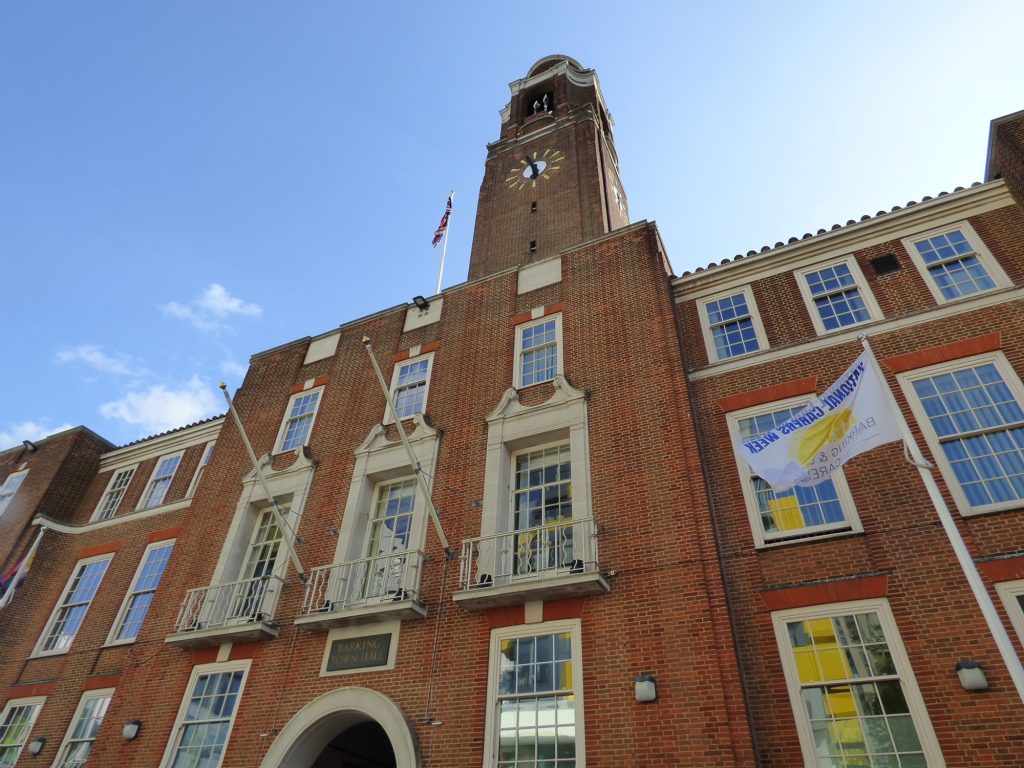
Details of people living in temporary homelessness accommodation have been accidentally leaked by Barking and Dagenham Council.
Their details were accidentally included in a response to a Freedom of Information (FOI) Act request, Private Eye magazine recently reported.
A council spokesperson has now told the Local Democacy Reporting Service (LDRS) that the breach was “contained quickly” and posed “no identified risk to individuals”.
The list of names was accidentally included in a response to an inquiry regarding how much the council had paid to private sector landlords for temporary accommodation.
Councils have a legal duty to find temporary accommodation for vulnerable people, including families, facing homelessness.
Private Eye said the recipient of the FOI request alerted the council to the error, preventing the names being made public on the council’s disclosure log.
The council told the LDRS the breach occured “because a spreadsheet was attached in error which still contained hidden source data that had not been properly deleted”.
It said the spreadsheet contained “around 6,500 lines” although not all of these included names and some were duplicates, and that it was “not a full or definitive list of names”.
The town hall said it had not informed those whose data had been leaked. It also said it did not consider that it should have reported the breach to the government’s data watchdog, the Information Commissioners Office (ICO).
A spokesperson said: “The incident was assessed internally and was not considered reportable to the ICO. Because it was contained quickly and there was no identified risk to individuals, residents were not contacted.”
The amended FOI response, seen by the LDRS, showed the council had paid a total of £8,909,816.69 to 13 private sector housing companies for temporary accomodation in 2025.
It comes as councils across the country are facing increased demand for temporary accommodation, coupled with rising costs.
However, the town hall says the number of people it houses in temporary accommodation is falling.
The council was housing 1,000 households in temporary accommodation in February this year, doesn from 1,078 in April 2025.
John Knight, the town hall’s director of housing, told councillors last month that this was possible because of the number of new homes the council had built, and its work to prevent people becoming homeless in the first place.